Can Steel Toe Boots Cause Foot Problems?
It is common knowledge that steel-toe boots are hot commodities for workers in construction, manufacturing, and other industries.

Despite the fame they have attained, one of the hidden risks with steel-toe boots may be that they can cause undue stress on your feet.
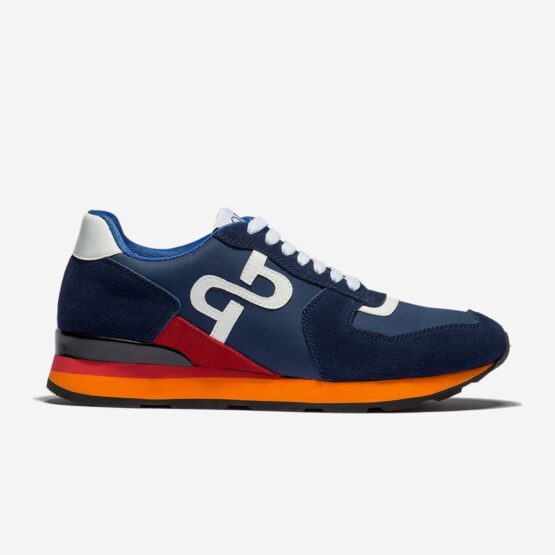
Steel-toe boots are much heavier than conventional shoes because of their hard protective leather exterior and metal toe plates. Because a worker’s toes absorb the impact from walking or running as well as heel strikes from lifting heavy weights, regular shoes do not offer as much protection.
Many people who wear steel-toe boots are unaware of the risks they may be exposing themselves to, but, if you own a pair and use them daily, you might want to consider taking precautions to ensure your feet are in good condition.

Your feet contain tendons and ligaments that provide stability and support for your feet. When you wear heavy shoes, such as steel-toed boots for a long period of time, these tendons and ligaments can become stretched out.

This can affect your walking ability since they are no longer in a position to provide the proper support. If this continues, then injuries such as tendonitis or arthritis can develop.
Common Foot Problems from Tight Steel Toe Boots
When you think of boots, you probably picture the workman's boots or an expensive pair of leather cowboy boots. But while these types of footwear are great for keeping your feet dry and warm, they can cause problems for your feet if they're not broken in properly. That comfortable ride can get a little uncomfortable at first when your new footwear doesn't provide the support it should, especially if it's made from steel toe and lasts too long without replacing it. If this sounds like what you're experiencing to be true, then read on as we go through some common foot problems that people often experience because their steel toe boots don't break in.

Corns and calluses
Wearing an ill-fitting shoe that doesn't have enough room for your toes or provides poor arch support can cause corns and calluses. This is especially true if you don't wear socks with them. The constant friction between your leather and the steel toe can cause blisters, sores, numbness, or the formation of corns and calluses. These areas are particularly tender to the touch - even from slight pressure - so be careful not to go barefoot if this is a problem in your workplace. Corns are small growths that appear on the soles of your feet while calluses are thickened areas on the tips or sides of your toes. Both are the result of repeated friction and pressure on certain areas.

Athlete's foot
It's hard to believe that wearing steel toe boots to work could lead to you having athlete's foot, but it can. Athlete's foot is a fungal infection caused by the same type of fungi that grow in damp, humid areas like shower stalls. For most people who get athlete's foot, the fungal spores are spread by sharing towels/flip-flops or going barefoot in moist places. Athlete's foot is highly contagious and will spread easily unless you practice good hygiene, so don't share shoes or go without socks when you're working in damp areas. To prevent the spread of athlete's foot, it's important to keep your feet dry as much as possible and wear shoes that provide good ventilation.
If you're experiencing these issues, you need to find a better made pair of steel toe boots that are going to give you better support. You can also consult your doctor for treatment options if they're having a difficult time healing on their own or if you have other concerns. If for some reason they are not an option, we have the perfect alternative for your comfort:
Common Foot Problems from Loose Steel Toe Boots
If you owe steel toe boots, you might reckon that they're straightforward to wear. This is not the situation, as is often shown by a quick imaginative and prescient of how a loose boot can lead to various foot issues. These issues might be bothersome if they're brief-lived or else they might result in serious injury if left untreated. With this in mind, let's contemplate three widespread, but preventable foot problems that many individuals manifest due to loose footwear.
A recent examine conducted by the U.S. Army discusses how loose boots can result in stress fractures in the feet. Their research incorporated footwear that didn't fit well and had minimal ankle assistance. An examine concluded that tightness within the boot can cause you to place extra fat on your toes. This increased pressure leads to stress-related bone ailments as a consequence of weak muscles and tendons, which might be prevented with a snug fit from your boot purchase.

A different examine, this one by the American Academy of Orthopedic Surgeons (AAOS), exhibits similar findings. Their study shows that a loose-fitting boot can result in a broad variety of foot and ankle incidents. These consist of stress fractures, midfoot afflictions, Achilles tendonitis, and plantar fasciitis. This research additionally highlights how numerous individuals have complained to the AAOS about foot accidents at work which have occurred while wearing steel toe boots.
The third examine is one from Mayo Clinic, wherein they present that loose footwear can lead to irritation and blistering on the toes – specifically the downside and ball.
Some Common Foot Injuries Related to Workplace

Some of the most common workplace injuries include sprains, strains, and fractures. These injuries can occur as a result of heavy lifting or maintaining awkward positions for prolonged periods. These injuries often require no or minimal medical care but may lead to limited movement of the foot or reduced mobility overall.
Common foot injuries related to workplace are usually caused by misalignment of the individual bones or ligaments that make up a person's feet and toes. These misalignments can cause damage to specific joints, tendons, muscles, nerves, blood vessels and toes which can be debilitating in some cases.

Common foot injuries related to workplace
Plantar Fasciitis is a painful inflammation of the plantar fascia at the bottom of the foot. This disorder occurs when a person is excessively on his feet or when there is an incorrect body posture such as standing up for long periods of time. It can occur after an injury or due to sporting activity. The plantar fascia is a band of tissue that runs across the bottom of your foot and connects to your heel bone. The constant pulling on this tendon causes it to become inflamed and swollen, thus causing pain in that area.

Fractures in the ankle or foot occur when the bones in these areas are broken. When a person's foot or ankle is twisted, he immediately needs to use the other leg to stand on. Sometimes even with the other leg by his side, there can be swelling and pain that prevents him from putting pressure on his foot so he will lean against something to relieve some of the weight. This may cause stress on that area of his body.
Sprains in Ankle & Foot
Ankle sprains occur when a ligament is stretched beyond its normal range of motion and puts pressure on bones where it attaches. This may occur in the ankle, foot, or lower leg. A bone under the ligament is likely to crack and a person may need to see a doctor to have his ankle taped in order to keep it from moving.
A common foot injury related to workplace is a bone fracture. This typically happens when a person is doing high-risk work where he/she may be climbing up and down a ladder or walking on uneven surfaces where there are large holes or steps that will cause it to put pressure on his/her feet.
Why do my feet hurt with steel toe boots?
The work boots that are commonly worn by workers in hazardous environments are made out of materials with a steel toe cap. These boots help people to avoid any serious injuries from falling objects and areas where objects could cause harm. However, these types of boots have been proven to cause health problems and pain for the people who wear them.

Many people take pride in wearing heavy-duty footwear such as steel toe caps as they provide protection from falls, tools, and other hazardous activities while working. These types of shoes come with a price tag often exceeding $100 per pair. However, they are built to last. Some users have discovered that these boots have another lasting effect on their feet.
Heel pain is a common complaint among the users of these boots. Heel pain is often caused due to the fact that toecaps are built with extra weight on its toe part compared to its heel part of the shoe. Since the boot's sole must be flat in order for it to function properly, putting more weight on the toe area means putting less weight on its heel part. This imbalance can cause mild discomfort and damage to the muscles and joints in the feet, ankles, or lower leg.
Most heavy-duty work boots are made with thick, supportive rubber soles and are made up of leather and cotton. This is designed to protect the feet from the impact that can be felt when stepping down on bulky items such as steel or concrete. However, when it comes to injuries caused by footwear, most injuries occur during the manufacturing process, which includes production of these work boots.
Workers who wear heavy-duty footwear for extended periods of time must take a rest period of at least 15 minutes every two hours during their work shifts. This helps prevent foot fatigue caused due to wearing these types of boots for long periods of time. Wearing thick-soled heavy-duty boots can cause Achilles tendon injury over time.
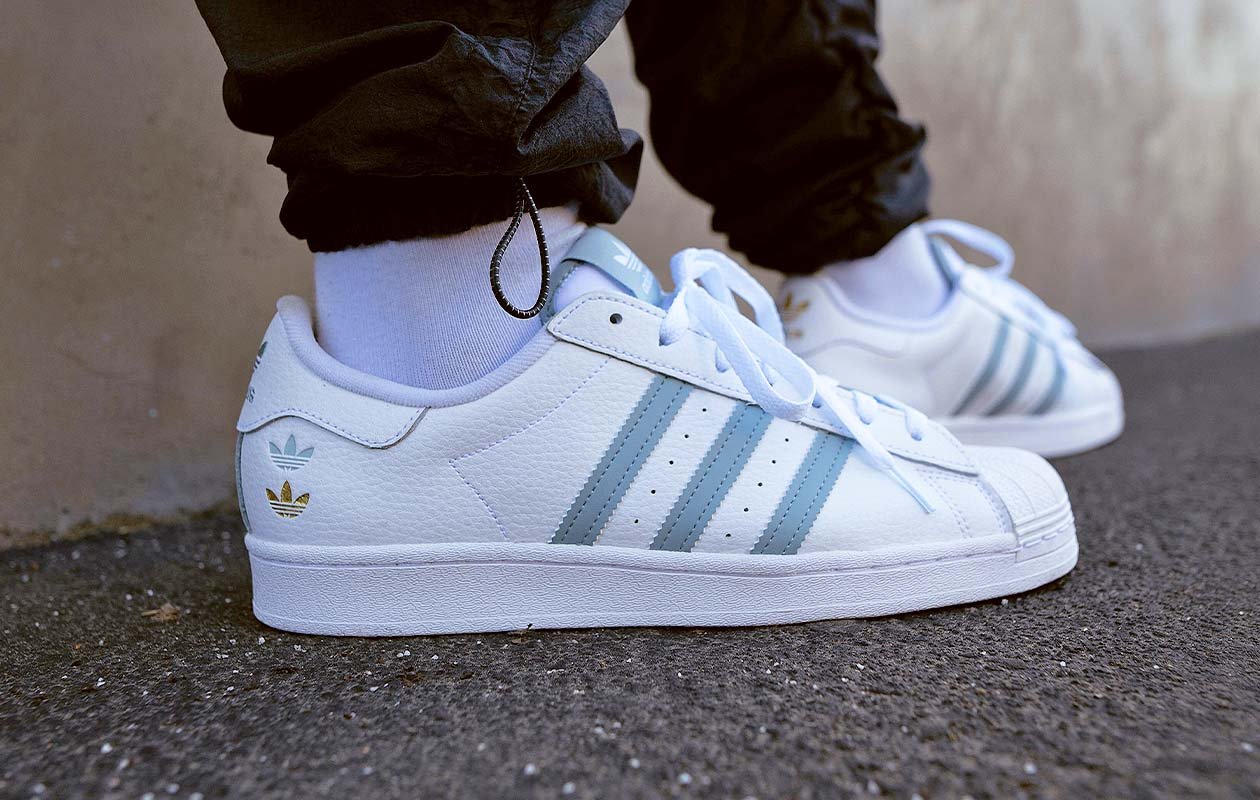
Why are steel toe boots bad?
Here are the top reasons that steel toed boots are bad:
1) The damage they do to our foot joints can lead to a condition called 'perilunate' or hyper extension of the great toe which is known as "frog toe".
2) The heavy weight can cause your feet and legs to be spastic.
3) Your shoes can cut off circulation in your hands, leading to tingling and numbness.
4) Far more likely than not, you store acetone in the shoe's soles. If you spill it on skin, it will burn.
5) You are likely to wear a hole in the sole after 3 months, and if you don't throw them out, the steel toe will eventually start eating away the leather upper.
6) Your shoe size shrinks half a size from wearing steel toe boots.
7) That metal toe is sharp as hell and can cut feet up pretty badly.
8) If you wear steel toed boots for work, I hope your job doesn't require sprinting anywhere.
9) You can fall down stairs easier because your feet are weighted down by the steel toe boot. This is a very dangerous situation because it usually results in head injury or death from falling on something hard and pointed such as a chair leg or table edge.
)
10) In case of a workplace accident, it's easier for your employer to justify firing you and claiming that you were reckless because of the steel toe boot.
11) People in Europe routinely get injured wearing steel toed boots, and they get sued for it.
12) It is illegal for people to wear steel toe boots in the state of New York as well as most other states. Councils in other countries have tried to ban them on a local level but failed.
13) Steel toe boots are horrible footware that do nothing but cause problems.
Can work boots cause foot pain?
Walking all day in work boots is bad for your feet. The weight and increased pressure of these stiff soles, usually made of steel in high-top or safety boots, can cause plantar fascia and heel pain, as well as back pain. It's important to be aware that such shoes wear out quickly and need to be replaced often.
Over time the high heels on your dress may also result in a myriad of foot related problems because they deform the wearer's feet and cause them to lose their balance. In addition, you may struggle with burns on your feet from chemicals used on the bottom-side sole which can eventually lead to skin ulcers if not taken care of properly.
Generally, you suffer from bunions or have a history of bunion correction surgery and your shoes tend to fit very tightly, as well.
The best way to prevent such pain associated with footwear is simply to buy more comfortable shoes and always use proper orthotic inserts when needed. The most important thing is that the shoe fits comfortably; it should not bind around your toes or give your heel any discomfort. If need you put in padding and adjust the lacing system. Get new orthotics if they have been worn out by a physical therapist, make sure they are fitted accurately for size as over-sized ones can create even more problems than none at all.
It is important to wear the right type of shoes for your feet!
There are many types of shoes including, open-toe flat, closed-toe (or clog) and high-heeled shoes. Each one has a special part that is better suited to its specific needs. Wearing incorrect shoes can cause foot and leg problems such as back pain, bunions, an ingrown toenail problem; they can also lead to dangerous conditions such as blood clots.
How can I make my steel toes more comfortable?
Many people have sore or painful feet as they spend long hours standing on hard surfaces at work each day. If you have steel toes, these feet can exhibit severe symptoms of pain and discomfort due to the metal and other materials used in manufacturing steel toes.
The following may help alleviate pain or discomfort:
• Apply an anti-microbial ointment or cream to your feet. Since the foot is a natural environment for microorganisms, this treatment can help aid in the removal of bacteria and fungus from your heels.
• Keep your feet dry if you experience swelling in your toes. Remember that most footwear has an arch-shaped design that may cause extra pressure on your foot. Check out the insoles for your steel toes.
• Place adhesive bandages on the area in between your big toe and second toe. This will help keep painful pressure points from occurring in that area of your foot.
• Use an anti-fungal medication to eliminate fungal infections and athlete's foot. Visit a physician if you experience any discomfort, cramping, or tenderness on the bottom of your feet.
• If blisters form in between your toes, apply medical tape to stop them from persisting. You may also place a small amount of petroleum jelly on top of the blister to reduce it from becoming inflamed or infected.
• Use a heel cup or pad on the back of your shoe to limit unnecessary strain on the muscles in your heel and back.
• Get rid of any moisture that develops between your toes. This can lead to blisters or sores that are itchy and painful. Wearing non-metal footwear can be a good option for treating this condition. You may also place powder on your feet to help alleviate the moisture buildup.
• Avoid wearing heavy boots, thick socks, plastic shoes, or steel-toe boots that have no cushioning in them while you are at work or school. This will help prevent problems related to Morton's Neuroma from occurring in your foot.
How long do steel toe boots last?
Steel toe boots are a type of safety shoe that feature a steel or steel alloy plate on the front part of the shoe to protect the toes and other foot areas. They are popular with workers who do work that may involve awkward positions, tight spaces, or the possibility of sharp objects on the ground. Steel toe boots are also common in construction and manufacturing jobs where heavy equipment is used.
There is no one answer as there are many factors that affect how long steel toe boots last: usage, storage conditions, and corrosive chemicals from different environments, different materials on your feet such as moisture from sweat or leather material.
A typical pair of steel toe boots will last anywhere from 6 months to 2 years. However, there are cases where steel toe boots have been used for more than 10 years in various jobs. It is best to check the specifications of your steel toe boots to find out whether they have been treated with special products that can lengthen their lifespan.
If you want to maximize the life span of your steel toe boot, here are some helpful tips:
Avoid using them in wet conditions and areas likely to get wet; this includes rainy weather conditions or any job site where water is likely to be splashed or poured on you regularly.
Always store your steel toe boots away from negative conditions like moisture, heat, sunlight and chemicals that can cause rusting or damage to the material.
Keep your steel toe boots clean at all times. Avoid the use of corrosive chemicals or products with your steel toe boots on a regular basis. There are some cleaners that can do the job and still maintain the condition of your safety shoe. You may check on the manufacturers’ recommendations first before choosing any product.
Make sure that there is enough air circulating between you and the steel toes when you wear them for long hours of work. This will prevent sweating or moist conditions from forming, leading to separation of materials causing rotting or premature breaking down of material in these shoes.
Does safety toe mean steel toe?
No, not really. In order to keep your foot safe from sharp objects, a safety toed shoe would have an additional layer of material that would protect you from the concrete floors in your workplace.
A steel toe for a shoe means that it is designed with materials and features which are generally used to help workers stay safe while on-site. There are other general features that come along with it like the ability to be worn with a hard hat or other types of safety gear without the fear of losing its structural integrity due to wearing them both at the same time.
Because there are so many different types of footwear that are considered to be a steel toe, it is important to know exactly what type you are getting. Other materials and features that can come along with a shoe that offers safety toes include:
Breakable materials (e.g. a canvas or suede)
Shock-absorbing cushioning
Types of Steel Toe Shoes
Steel Toed Boots: They are fairly common for construction and manufacturing workers. They offer protection to the top of your foot, but also to your ankle and lower leg as well. These are good to work in when you are in a workplace that limits the movement of your feet. This is because it is highly recommended that you keep them on while you work even if you have to be on your feet for long periods at a time. They can allow you to be more productive with less fatigue and also provide more toe and foot coverage than any other type of steel toe shoe.
Steel Toed Work Shoes: These are good for people who work in environments where you have to be on your feet for the majority of your time. This type of shoe makes it possible to work, but still look professional as well. They are also much more comfortable than boots would be for someone who has to spend a lot of time on their feet. They are usually less expensive than a boot or other types of steel toe shoes.
Steel Toed Slippers: These shoes are designed with the intent that you wear them all day while you go about your normal walking and standing routine throughout your day. What separates these shoes from others is that they have added heel protection and extra cushioning in some areas as well.
Comments
Post a Comment